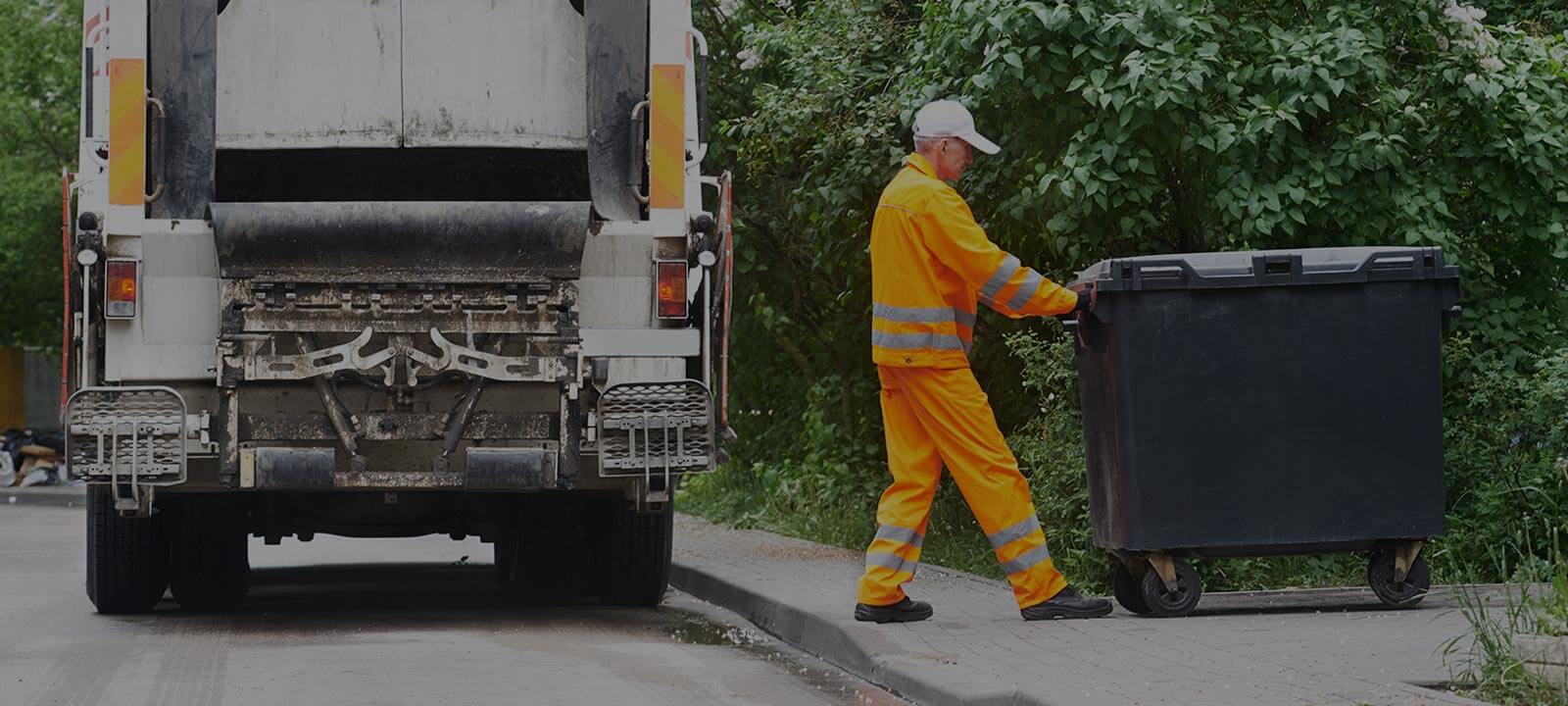
Green Approach to Managing Commercial Waste
Posted on 14/02/2025
The increasing awareness about environmental sustainability has put the spotlight on waste management practices. Commercial establishments generate a substantial amount of waste, and adopting a green approach to manage this waste is both economically and environmentally beneficial. This article explores various green strategies for managing commercial waste effectively.
Understanding Commercial Waste
Commercial waste includes all types of waste generated by businesses, institutions such as schools and hospitals, and large-scale operations. This can include office supplies, food waste, packaging materials, electronics, and more. Without efficient management, this waste can significantly harm the environment.

Importance of a Green Approach
A green approach to waste management is imperative for reducing the ecological footprint of commercial activities. By implementing sustainable practices, businesses not only contribute to environmental conservation but also potentially reap economic benefits through reduced waste disposal costs and enhanced corporate reputation.
Methods for Managing Commercial Waste
Reduce
The most effective way to manage waste is to reduce the amount generated in the first place. Businesses can achieve this by re-evaluating their supply chains and operational procedures to eliminate unnecessary waste. For instance, opting for digital records instead of paper can significantly cut down on waste.
Reuse
Encouraging the reuse of materials can vastly diminish the volume of waste that ends up in landfills. Simple steps like donating old electronics or office furniture, repurposing packaging materials, and using refillable containers can make a big difference.
Recycle
Recycling is a pivotal component of the green waste management strategy. Businesses should set up comprehensive recycling programs to handle paper, plastic, metal, and electronic waste. Partnering with certified recycling firms ensures that the waste is processed responsibly.
Implementing a Green Waste Management Plan
Conduct a Waste Audit
Understanding the types and quantities of waste your business generates is the first step towards effective waste management. Conduct a thorough waste audit to identify waste streams and opportunities for reduction.
Employee Engagement and Training
Employee participation is crucial for the success of any waste management program. Conduct training sessions and provide resources to educate employees about waste reduction, reuse, and recycling practices. Encourage a culture of sustainability within the workplace.
Choose Green Suppliers
Selecting suppliers who follow sustainable practices can have a significant impact on your business's waste generation. Opt for suppliers who offer recyclable packaging, and products made from sustainable materials, and have a commitment to reducing their environmental impact.
Technological Innovations
Modern technology can also play a role in green waste management. Innovations such as waste-to-energy systems, smart waste bins, and advanced recycling technologies can enhance efficiency and reduce the carbon footprint of waste disposal processes.
Pros and Cons
Pros
- Reduced environmental impact
- Cost savings from reduced waste disposal
- Enhanced corporate reputation
- Regulatory compliance
- Improved employee morale and engagement
Cons
- Initial implementation costs
- Need for employee training and engagement
- Potential operational changes
- Dependency on reliable recycling partners
Tips for Effective Green Waste Management
- Conduct regular waste audits to identify areas of improvement
- Appoint a sustainability officer to oversee waste management practices
- Set measurable waste reduction goals
- Engage employees through regular communication and training
- Stay updated on new waste management technologies and practices

Takeaways
- Reducing, reusing, and recycling are core principles of green waste management
- Employee engagement is crucial for the success of waste management programs
- Technological innovations can enhance efficiency in waste management
- There are both advantages and challenges to implementing a green waste management strategy
Conclusion
Adopting a green approach to managing commercial waste is not just a trend but a necessity for businesses aiming to thrive in today's sustainability-conscious world. By focusing on reducing waste generation, promoting reuse, and enhancing recycling practices, businesses can significantly reduce their environmental impact while also benefiting economically. The journey towards sustainable waste management requires commitment, but the rewards for the environment, community, and the business itself are substantial.
Latest Posts
Reusing for Resource Conservation
Industry applauds government's dedication to improving e-waste recycling practices